
Welcome to Headwaters Veterinary Hospital
The Western Gallatin Valley’s Only Full Service Veterinary Hospital
Welcome to Headwaters Veterinary Hospital, the western Gallatin Valley’s premier full-service veterinary hospital. At Headwaters, we take pride in being your trusted resource for the care of your pets and livestock. We are dedicated to providing high-quality medicine and surgery with a personal touch.
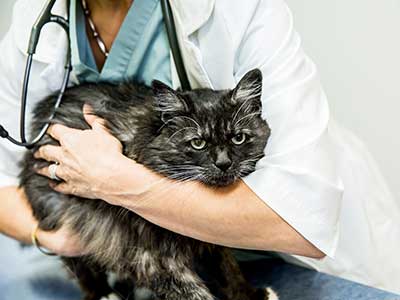
Small Animal Care
At Headwaters Veterinary, we offer comprehensive care for dogs and cats. Our medical and surgical teams use a methodical, thorough approach to meeting your pet’s health needs.
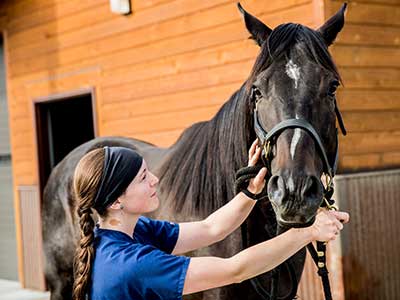
Large Animal Care
Headwaters Veterinary Hospital provides comprehensive care for horses, cattle and small ruminants. Wether your needs involve one horse or 500 head of cattle, our team is ready!
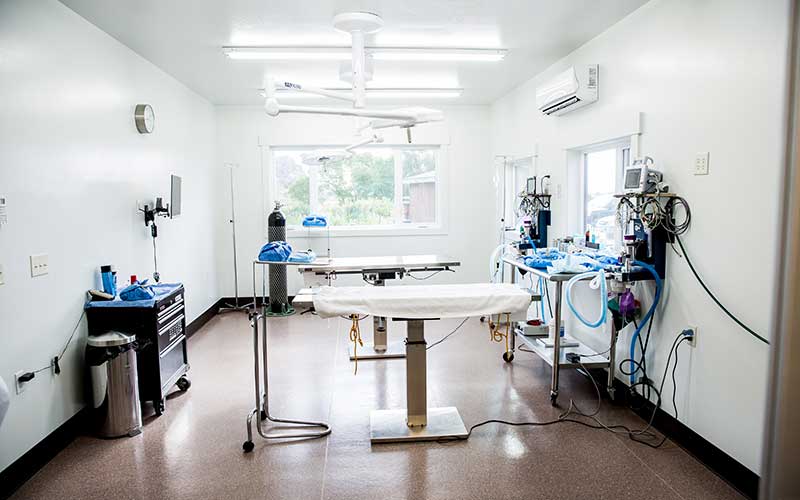
State of the Art Surgery Center
Headwaters Veterinary Hospital offers a full range of small and large animal surgery, from repairing your dog’s knee to replacing your foal’s umbilical hernia. Our surgeons are dedicated to working with you towards the best possible outcome.
State of the Art Surgery Center
Headwaters Veterinary Hospital offers a full range of small and large animal surgery, from repairing your dog’s knee to replacing your foal’s umbilical hernia. Our surgeons are dedicated to working with you towards the best possible outcome.
Shop Online
Get your pets food, fill a prescription, have it delivered to your door.
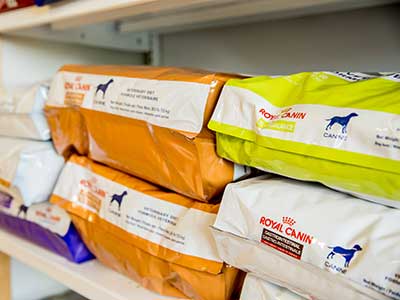
Pet Food
Tired of lugging heavy bags of pet food? Tired of running out at the last minute? We are pleased to offer online pet food products. Whether you need that prescription diet for your senior cat, or kibble for your new puppy, it’s more convenient to have it waiting at your front door!
Fill a Prescription
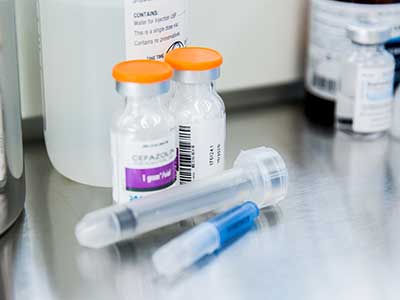
Headwaters Veterinary Hospital is now pleased to offer our clients the ease and convenience of refills only a click away. Our online pharmacy also has options and solutions for heartworm prevention, flea and tick control and pesky internal parasites!
Preventatives
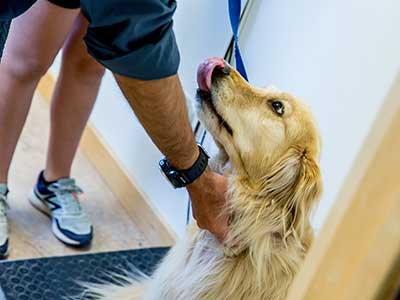
We offer a variety of formulations and products to keep your pet’s safe from heartworms,
fleas, ticks, worms and other parasites.
Blue – Pyothorax in Labrador Retriever
“Blue,” a six year-old male Labrador Retriever, came to us early one morning after becoming acutely ill with a high fever, difficulty breathing and difficulty rising. Under Dr. Aaron Mackley’s care, Blue was diagnosed with a pyothorax (a dangerous, infectious case of chest infection.)
Make an Appointment
Contact Headwaters Veterinary Hospital today to schedule an appointment for your large or small animal.
They went above and beyond with kindness and care when we had to put down our family dog abruptly, even though we had never been there. They treated us with such kindness and grace during a difficult time.
Would highly recommend! ❤